


 An early flood warning system designed to save the lives of thousands of people in the Everest region may no longer be working, Nepalese officials have admitted after it was allowed to fall into a state of disrepair.
The disclosure came after villagers in the local Sherpa communities said no inspection of the UN-supported project had been carried out for many years after the dangerous Imja glacial lake was last drained in 2016.
An early flood warning system designed to save the lives of thousands of people in the Everest region may no longer be working, Nepalese officials have admitted after it was allowed to fall into a state of disrepair.
Since then, no maintenance has been undertaken, which means siren towers have been left to rust, while some have even had their batteries stolen, according to locals.
On top of this, the satellite data reception transmitting the lake's water level - which can then be used to send out mobile phone alerts to locals - has been unreliable, officials at Nepal's department of hydrology and meteorology (DHM) told the BBC.
The Imja lake, which sits at a little over 5,000m (16,400ft) above sea level, has not burst since it was drained a decade ago - at which point, it was almost 150m deep in places.
Back then, the depth of the lake was reduced by about 3.5m as part of a $3.5m risk reduction project, which included the early warning system.
But scientists warn global warming-induced fast melting glaciers are causing many Himalayan glacial lakes to expand dangerously - meaning they can then burst out and sweep away downstream settlements, trekking routes and bridges.
https://www.bbc.co.uk/news/articles/czjwr93vrrzo
img: ID 264334876 © Gagarych | Dreamstime.com
 The Doctor Will See You Now (But It’s a Bot)
Could your next diagnosis come from an AI? A recent BBC report explores the booming trend of patients using AI chatbots for medical advice. With GP appointments harder to secure, many are turning to ChatGPT and similar tools for instant health answers. But is it safe?
The appeal is obvious: AI offers 24/7 accessibility and can break down complex medical jargon into easy-to-understand language. For minor queries or explaining a lab result, it’s a powerful research assistant. However, experts warn that AI lacks a "ground truth." It can confidently invent medical facts or suggest incorrect dosages – a phenomenon known as hallucination. Crucially, a chatbot cannot physically examine you or understand the nuances of your medical history, which are vital for safe diagnosis.
Health professionals advise using AI as a starting point for research, not a replacement for a doctor. While these tools are becoming more sophisticated, they remain prone to error. The golden rule? Use AI to prepare for your appointment, but always verify its "advice" with a human professional or trusted sources like the NHS. When it comes to your health, a chatbot is a better librarian than a physician.
https://www.bbc.co.uk/news/articles/clyepyy82kxo
img: AI Midjourney
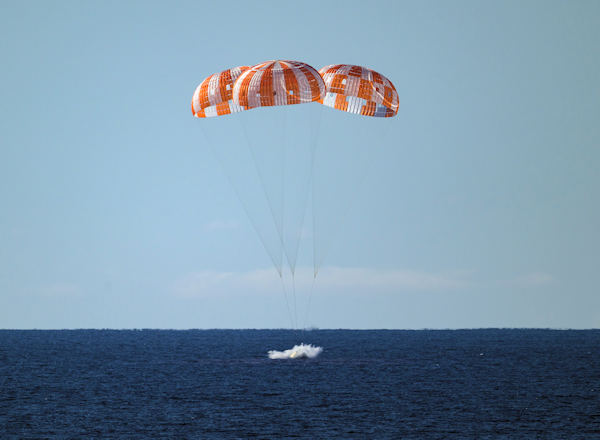 The 10th April 2026 marks a historic milestone in human space exploration with the safe return of the astronauts, splashing down in the Pacific Ocean. The four-person crew – Commander Reid Wiseman, Pilot Victor Glover, and Mission Specialists Christina Koch and Jeremy Hansen – were recovered safely and reported to be in good health.
Artemis II is significant for being the first crewed mission to travel beyond the Moon in over 50 years, since the Apollo era. The crew journeyed further from Earth than any humans in history, testing the Orion spacecraft’s life-support systems and performance in deep space. NASA officials hailed the mission as a major success, confirming that the spacecraft handled the high-speed re-entry into Earth's atmosphere as expected.
This mission serves as a critical flight test before Artemis III, which aims to land on the lunar surface.
The mission was not without some issues; see this video for more information.
https://www.bbc.co.uk/news/live/c3dlnzv5r71t
img: NASA, public domain
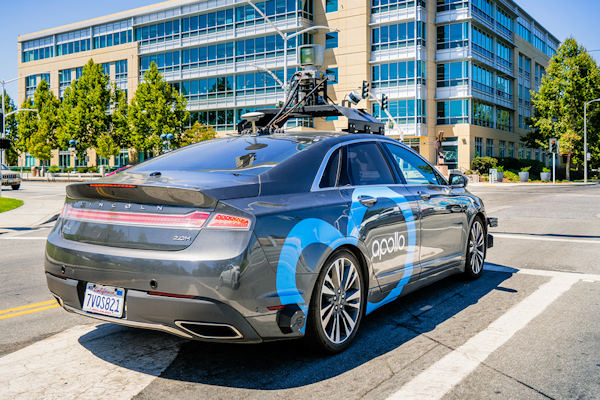 A mass robotaxi outage in the Chinese city of Wuhan caused at least a hundred self-driving cars to stop mid-traffic, sparking renewed debate around the safety of driverless vehicles.
Local police said initial findings suggested a "system malfunction" caused multiple vehicles to stop in the middle of the road.
Videos, external on social media have documented the outage, with one appearing to show it resulting in a highway collision, although police said no injuries had been reported and passengers exited their vehicles safely.
According to the police statement, posted on social media site Weibo, the cause of the incident is still under further investigation.
Baidu operates its Apollo Go driverless taxi service in dozens of cities across the world, mostly in China.
https://www.bbc.co.uk/news/articles/cvge91r9j80o
img: ID 156143326 | Apollo © Andreistanescu | Dreamstime.com
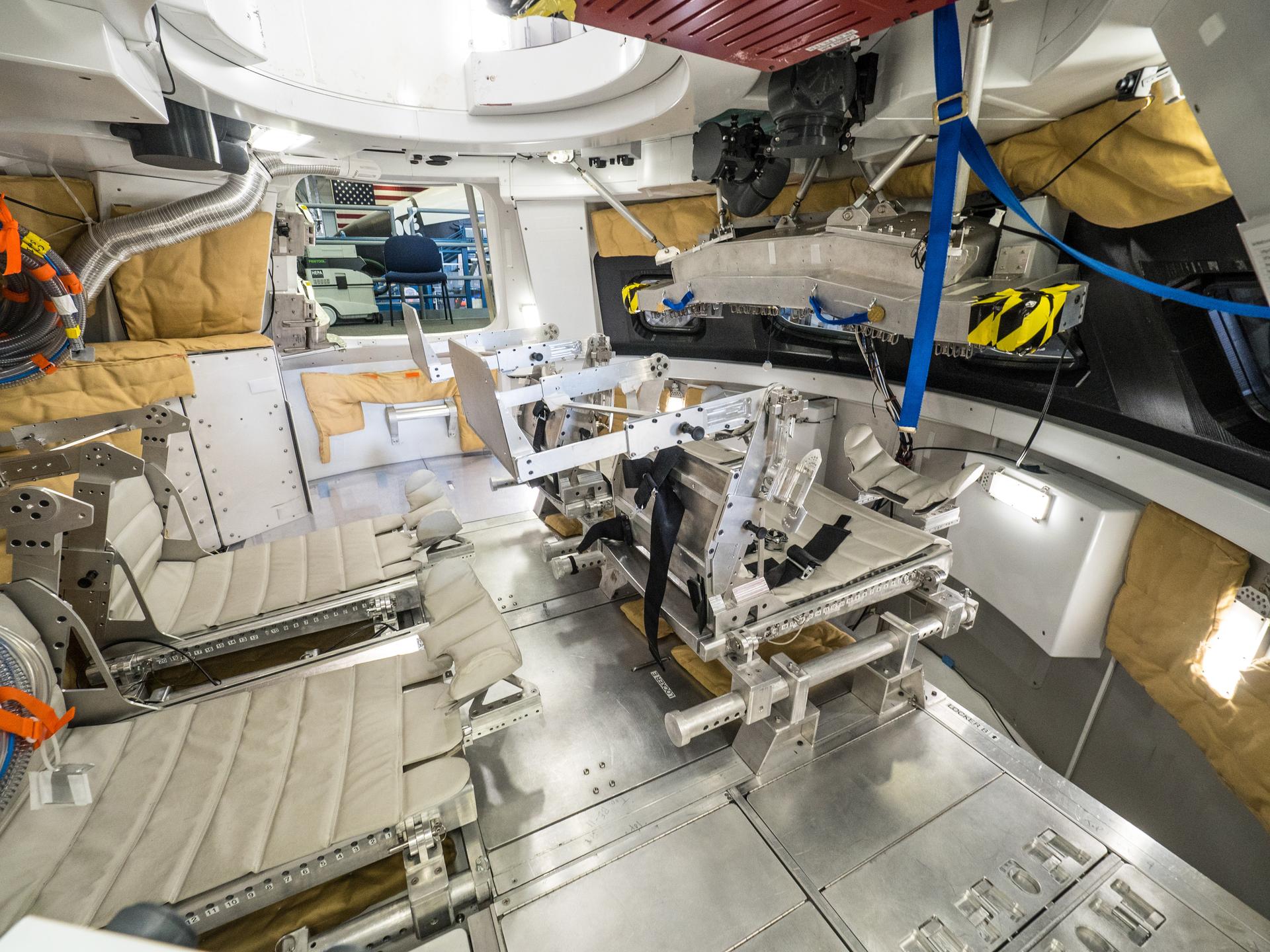 In the tense final hours before Nasa's astronauts were launched into space, a series of technical issues threatened to ground their landmark mission. A faulty toilet and issues involving two safety systems were reported over the radio. Nasa managed to resolve the problems by being "quick on their feet", an official later said. Sensors in the spacecraft's waste‑management system showed some readings they did not expect, according to flight controllers. Astronaut Christina Koch reportedly acted as a plumber, dismantling parts of the toilet under instruction from mission control.
There were also issues reported with the flight termination system and the launch abort system – two safety systems that protect astronauts and the public.
The flight termination system allows engineers on the ground to destroy the rocket if it veers off course. It reportedly had a communications issue, which was resolved by using hardware from the previous Space Shuttle programme.
The launch abort system is Orion's emergency escape tower, designed to pull the crew capsule away from the rocket in the event of an emergency during launch or ascent. It reportedly gave a higher-than-expected temperature reading, but it was judged that it wouldn't affect the launch.
With these issues resolved, the launch went ahead and successfully took the astronauts into earth orbit.
https://www.bbc.co.uk/news/articles/c36rxe9w97zo
img: NASA public domain